
If you’re wondering whether to feed your cat wet or dry food, this article breaks down the pros and cons to help you make the best choice for your feline friend’s health pet universe nourish.
From nutritional benefits to cost-effectiveness, we’ve got you covered with all the information you need to keep your cat healthy and happy.
Nutritional Content
When choosing cat food, consider that wet cat food typically contains around 70-80% moisture https://nourish.petuniverse.com/, while dry cat food contains only about 10% moisture. This means that with wet cat food, your furry friend gets more hydration, which is essential for their overall health. The higher moisture content in wet food can be beneficial, especially for cats who don’t drink enough water on their own.
Additionally, wet cat food generally has higher protein content and fewer carbohydrates compared to dry food, which can be advantageous for your cat’s diet. By opting for wet cat food, you’re providing your feline companion with a diet that closely mimics their natural intake of food in the wild, promoting their freedom to thrive.
Hydration Benefits
To ensure your cat stays well-hydrated, opt for wet cat food over dry varieties as it provides essential moisture crucial for their health. Cats often have a low thirst drive, making it challenging for them to drink enough water.
Wet cat food contains a high water content, helping to increase your cat’s overall fluid intake and reduce the risk of dehydration. Proper hydration is vital for kidney function, digestion, and overall well-being in cats.
Dental Health Considerations
For maintaining your cat’s dental health, consider the impact of wet and dry cat food options on their teeth and gums.
Dry cat food is often praised for its ability to help clean teeth as cats chew, reducing plaque buildup. The mechanical action of crunching on dry kibble can aid in preventing tartar accumulation. However, some cats may not chew their dry food thoroughly, limiting its dental benefits.
On the other hand, wet cat food lacks the abrasive texture of dry food but can be beneficial for oral health by providing additional moisture, which may help reduce the risk of dental issues.
Mixing both wet and dry food in your cat’s diet can offer a balanced approach to promote dental health.
Convenience and Storage
Considering both wet and dry cat food options for your cat’s diet, the convenience and storage of these products play a crucial role in your decision-making process.
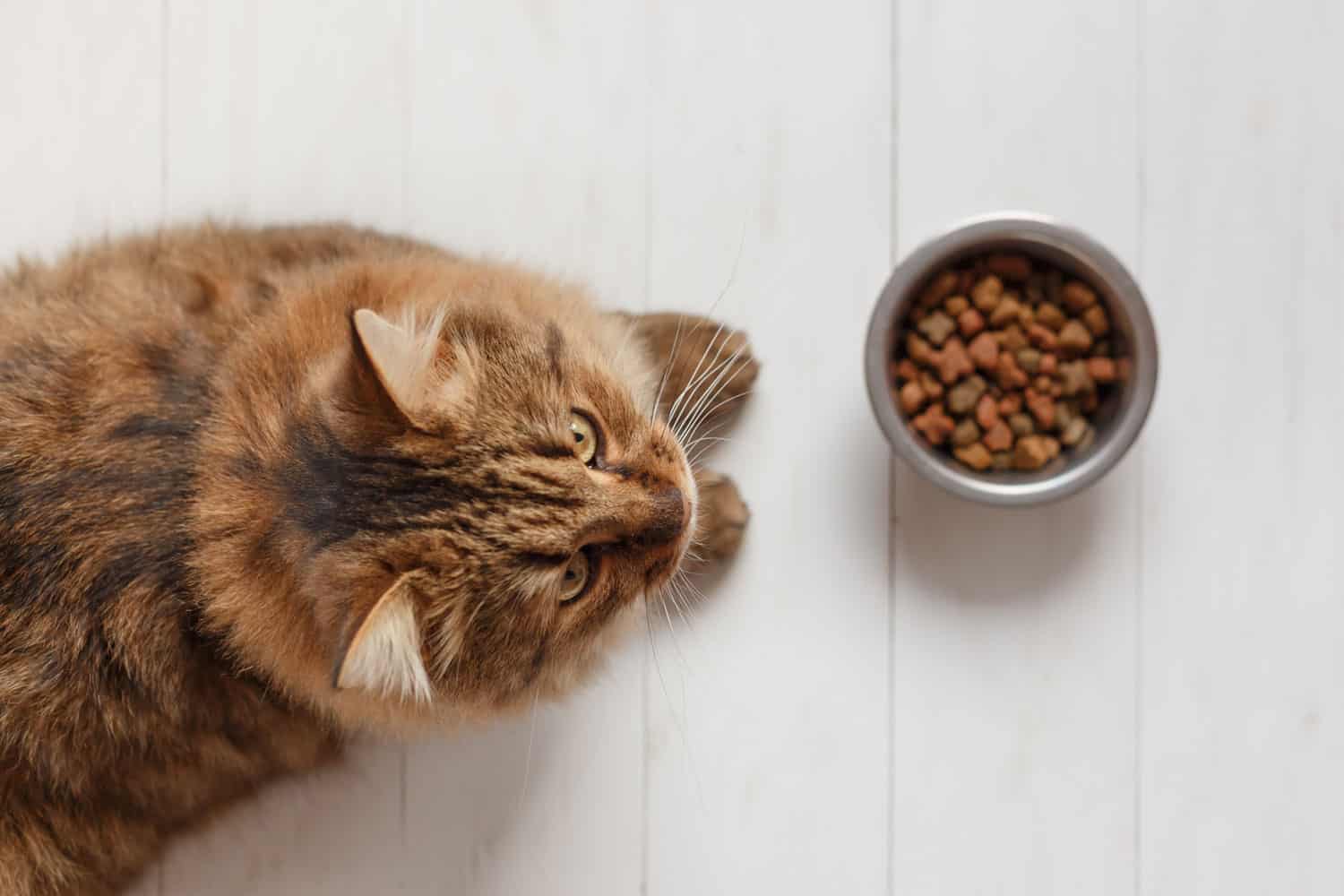
Dry cat food offers the advantage of easier storage due to its longer shelf life and the ability to leave it out for longer periods without spoiling. This can be convenient for free-feeding or for those with busy schedules.
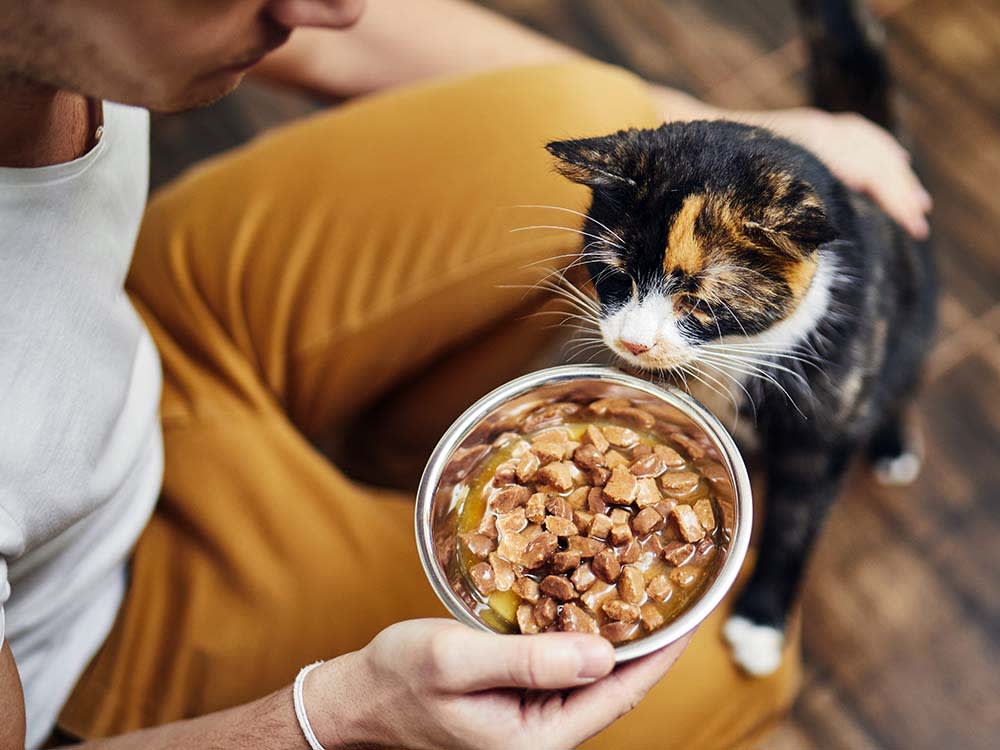
On the other hand, wet cat food, while requiring refrigeration after opening, comes in pre-portioned servings that can be more convenient for feeding times. It’s important to consider your lifestyle and how much time you can dedicate to preparing and storing your cat’s food when choosing between wet and dry options.
Cost-Effectiveness
When comparing the cost-effectiveness of wet and dry cat food options, understanding the long-term financial implications is essential for making an informed decision about your cat’s diet. Dry cat food is generally more cost-effective than wet food due to its longer shelf life and lower production costs. Buying in bulk can further reduce the overall cost per serving.
However, it’s important to consider your cat’s specific dietary needs and preferences. While wet food may be pricier, it can provide additional hydration and variety in your cat’s diet. Ultimately, balancing cost-effectiveness with your cat’s health and well-being is key. Keep an eye out for discounts, coupons, and sales to make both wet and dry food options more budget-friendly without compromising on quality.
Conclusion
In conclusion, when deciding between wet and dry cat food for your feline friend, consider their nutritional needs, hydration benefits, dental health, convenience, and cost-effectiveness.
Both types of food have their pros and cons, so it’s important to find a balance that works best for your cat’s overall health and well-being.
Remember to consult with your veterinarian to determine the best diet for your specific cat’s needs.


